UHV Ion Gauges
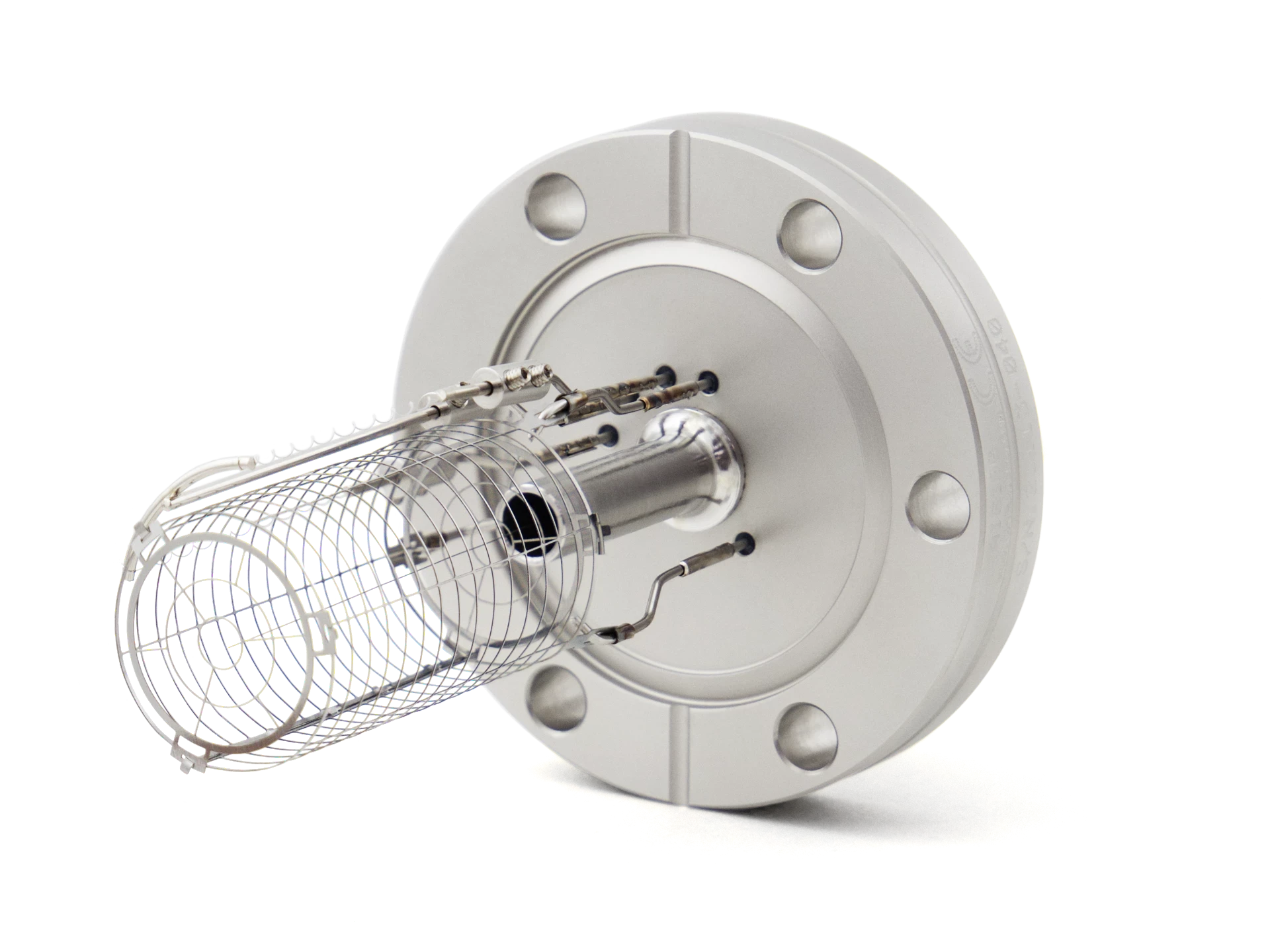
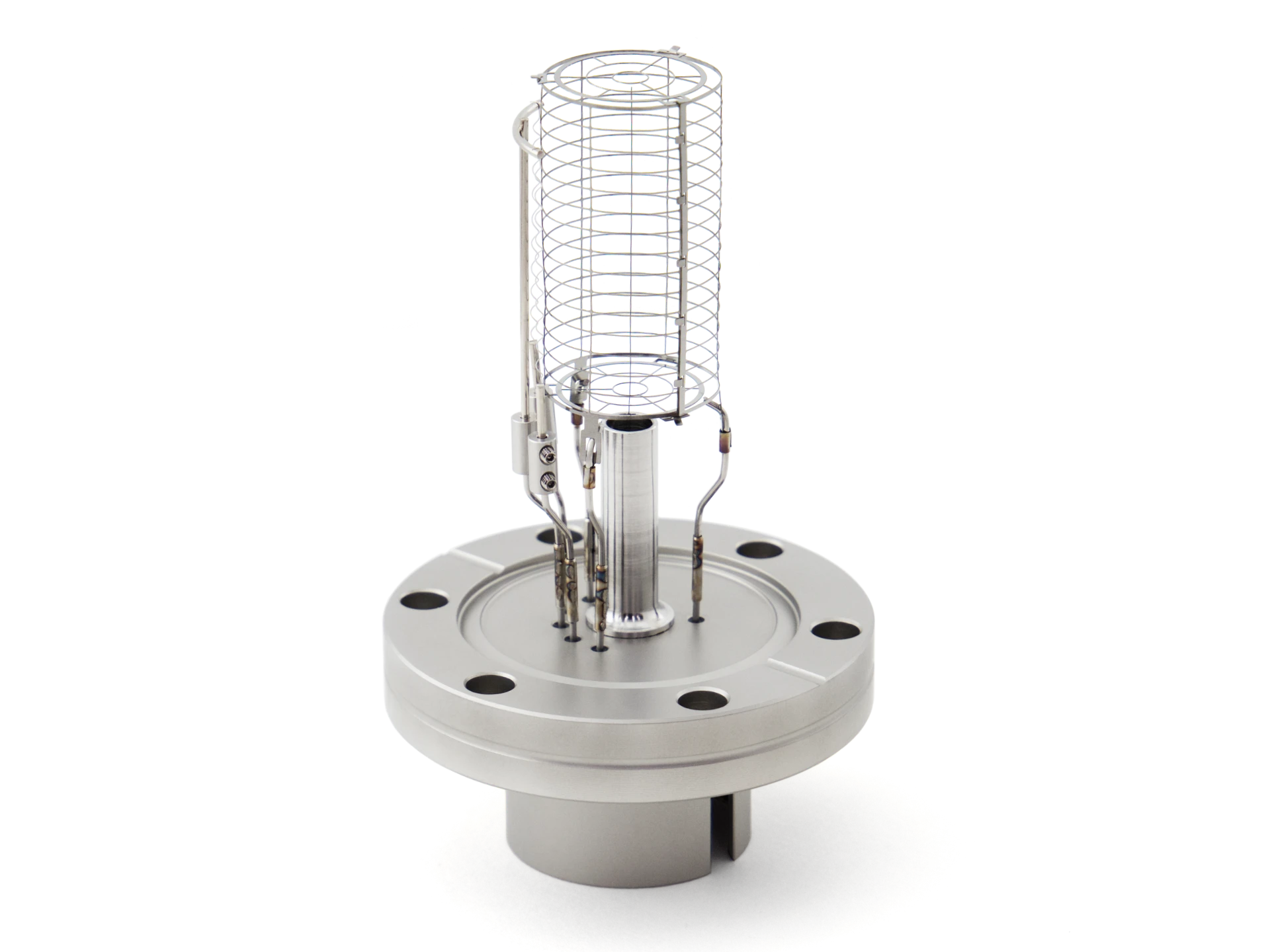
Nude Bayard-Alpert ion gauges covering the vacuum range 1 x 10⁻³ to 3 x 10-11 mBar. They are intended for electron-bombardment degas. Available with a range of filament materials.
- Wide UHV measuring range of 1 x 10⁻³ to 3 x 10-11 mBar
- Replaceable twin tungsten, thoria or yttria-coated filaments available
- Individual glass compression seals around each feedthrough pin are more economical and robust than ceramic, resulting in a less expensive and more rugged gaugehead
- Central collector pin is inherently guarded against leakage currents by the grounded bulk of the flange
- The molybdenum grid has a closed-end, light, rigid structure, resulting in high sensitivity
- The x-ray induced electron desorption current at the collector is minimised by geometry and screening
- Connector pins are gold-plated, shrouded and polarized
- Gold plating ensures that oxidation on the air-side cannot occur even after repeated bakeouts
- Degassing by electron-bombardment
- Maximum bakeout temperature 450°C
- Sensitivty 19 per millibar for nitrogen
- X-ray asymptote 3 x 10-11 mBar
- DN40 CF mounting flange, NW35CF (2.75″)
- RoHS compliant
| Order code | Description | Price excl. VAT and transportation cost |
|---|---|---|
| aig17g | UHV BA Ion Gauge, Tungsten Filaments | £577.00 |
| AIG18G | UHV BA Ion Gauge, Thoria Coated Filaments | £784.00 |
| AIG19G | UHV BA Ion Gauge, Yttria Coated Filaments | £784.00 |
Filament power varies over the useful life of a filament, due to gradual erosion of bare tungsten or loss of the oxide coating. In general, thoria-coated iridium filaments require about one quarter the power of tungsten at mid-life. Yttria has similar properties and runs less than 50°C hotter in normal emission. Yttria also has better adhesion and consequently longer life. Oxide-coated filaments absorb water in storage and may require more power initially to evaporate it.
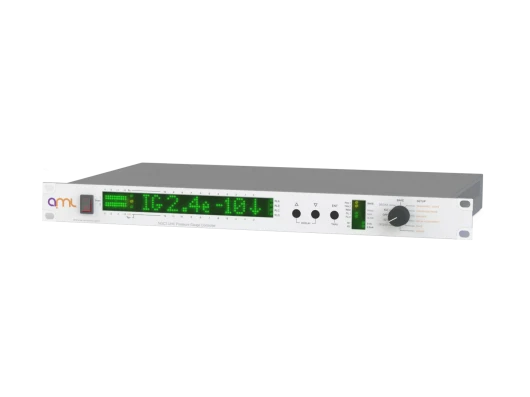
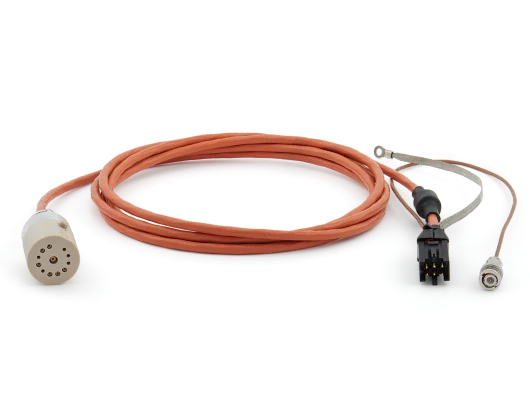
The filament power supply must be capable of providing high currents to develop adequate power in the low resistance of a cold filament and sufficient voltage to compensate for drops in a long, hot cable. A power-limited supply of 40 watts capable of providing up to 12 volts and up to 4 amps will drive any AIG17G gauge operating under any conditions (including degassing during bakeout at 250°C), with an AIGL9 lead. AML BA gauge controllers exceed these requirements and include comprehensive filament protection features.
Filament type selection is a complex subject largely dependent on the vacuum environment they will be used in. A basic description follows but does not cover all situations.
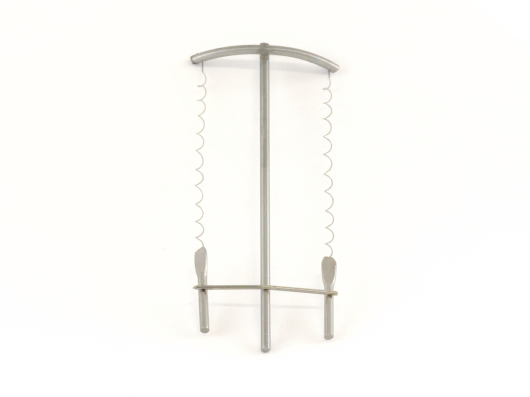
FIL17
Tungsten filaments. These are widely used because they are relatively inexpensive. They operate hotter than other types so will evaporate contamination from the filament surface resulting in a more stable gauge operation. However, this advantage may increase outgassing from surrounding surfaces due to elevated temperatures. Tungsten is not affected by hydrocarbons and halogens so is the filament to use if these are present. Tungsten filaments are very fragile and when hot will not survive exposure to air or mechanical mishandling.
FIL18
Thoria-coated iridium filaments. These operate at a relatively cool temperature (1400°C) resulting in reduced outgassing and chemical reactivity with other gasses. They are considered the filament of choice when operating in the ultra-high vacuum region. Iridium does not burn out if exposed for a short time to high pressures while hot and so can survive a sudden loss of vacuum without damage.
FIL19
Yttria-coated iridium filaments. Exposure to the alpha particles emitted by thorium is of concern to some users. Yttria-coated filaments share very similar thermionic characteristics and behave the same as thoria-coated filaments but without the particle emission.